Can Skin Thinning Be Reversed?
- Dr Amna's Clinic
- Blog
- Can Skin Thinning Be Reversed?
How to Reverse Skin Thinning:
Expert Solutions for Aging and Fragile Skin
-
Dr Amna Clinic
- 4 min read
- December 26, 2025
Are you noticing visible veins under your skin that seem more prominent than before? Do you bruise easily with just a light touch? If your skin feels paper-thin and fragile, you may be experiencing skin thinning – a common but treatable condition that affects millions of people worldwide.
The good news is that skin thinning isn’t permanent. With the right approach, you can slow, stop, and even reverse this process. Here’s everything you need to know about restoring your skin’s thickness and vitality.
What Is Skin Thinning?
Skin thinning, medically known as skin atrophy, occurs when your skin loses its natural thickness and becomes fragile. This happens in two key layers of your skin:
Epidermis (Top Layer): The outermost layer becomes flatter as cell proliferation decreases, resulting in reduced skin thickness and compromised barrier function.
Dermis (Middle Layer): This layer contains collagen, fibroblasts, and elastic tissues that give skin its strength and elasticity. When these components diminish, the overall skin thickness reduces significantly, making underlying blood vessels more visible.
When skin becomes thinner, you may experience symptoms like visible veins, easy bruising, redness, heat intolerance, pigmentation issues, and increased sensitivity to sun exposure.
Who’s at Risk for Skin Thinning?
Age-Related Factors
After age 30, everyone naturally loses approximately 1% of their collagen annually. This process accelerates during perimenopause and menopause when estrogen levels drop significantly. Since estrogen helps boost collagen production and maintains youthful skin quality, its decline directly impacts skin thickness.
Medication-Related Causes
Chronic use of steroids – whether topical (for whitening or treating skin conditions), oral (for autoimmune disorders), or injectable forms – is a major cause of skin thinning. Long-term steroid use can make skin so fragile that it tears with minimal contact.
Medical Conditions
Patients with chronic kidney disease and COPD report skin thinning at rates 50 times higher than the general population. Autoimmune disorders and other systemic conditions also contribute to this issue.
Lifestyle Factors
Several lifestyle choices accelerate skin thinning:
- UV exposure: The more sun damage you accumulate, the thinner your skin becomes
- Chronic stress: Elevated cortisol levels from ongoing stress directly contribute to skin atrophy
- Smoking: Deteriorates skin thickness, quality, and cellular turnover
- Poor nutrition: Lack of protein, leafy vegetables, and nuts accelerates skin deterioration
Lifestyle Solutions for Skin Thinning
Sun Protection (Non-Negotiable)
Consistent sunscreen use is absolutely essential. Wear broad-spectrum SPF daily and cover exposed skin when outdoors. UV radiation is one of the primary accelerators of skin thinning.
Nutritional Support
Your skin needs proper building blocks to maintain thickness:
- High-protein diet: Essential for collagen production
- Nuts and seeds: Provide healthy fats and nutrients
- Colorful fruits and vegetables: Rich in antioxidants that protect against damage
- Stay hydrated: Maintain skin moisture from within
Stress Management and Exercise
Chronic stress elevates cortisol, which directly thins skin. Incorporate stress-reduction techniques and exercise at least four times per week. Exercise improves blood flow to skin tissues, promoting better growth and repair.
Avoid Harmful Habits
Stop smoking immediately if you want to maintain youthful skin long-term. If you’re using steroid creams for cosmetic purposes or bodybuilding supplements containing steroids, consider discontinuing these under medical guidance.
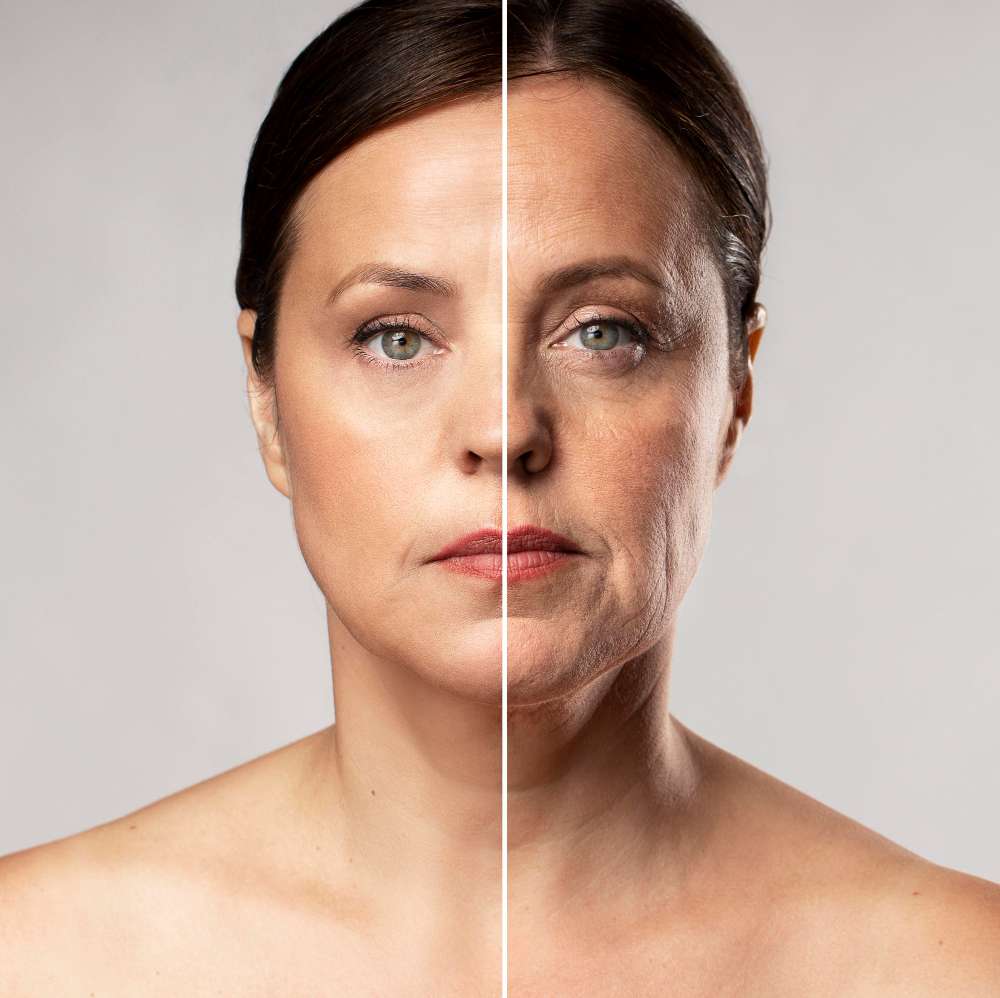
Topical Treatments That Work
Vitamin C
Available in serums, creams, or as dietary supplements, vitamin C activates anti-aging genes and continuously improves skin quality while slowing the aging process. Research shows consistent vitamin C use significantly improves skin thickness over time.
Chemical Exfoliants (AHA/BHA)
Studies prove that 12% lactic acid chemical peels used daily significantly improve skin cell turnover, thickness, and overall quality. These ingredients help stimulate cellular renewal and collagen production.
Retinoids
Topical retinoids work by improving cell turnover and stimulating collagen and fibroblast production. These ingredients promote skin proliferation, leading to improved skin quality and thickness over time.
Hyaluronic Acid
This powerhouse ingredient not only improves skin quality but specifically addresses skin atrophy. Hyaluronic acid helps restore moisture and plumpness while supporting the skin’s structure.
Professional Treatment Options
Chemical Peels and Dermabrasions
In-clinic chemical peels can significantly improve skin thickness when performed by qualified professionals. These treatments stimulate deeper cellular renewal than at-home options.
Advanced Procedures
Depending on your specific needs and budget, treatment options include:
Minimally Invasive:
- Professional facials with active ingredients
- PRP (Platelet-Rich Plasma) treatments
- Basic microneedling procedures
More Intensive:
- RF (Radiofrequency) microneedling
- Scarlet or Silform treatments
- Mesotherapy and skin boosters
- Collagen induction therapies
The right treatment depends on your skin condition severity, how much the thinning bothers you, and your treatment budget. Always consult with a qualified dermatologist who can examine your skin and recommend the most appropriate approach.
Important Considerations
Address Underlying Causes
Before starting any treatment, identify and address what’s causing your skin thinning. If you’re using steroid medications for medical conditions, work with your doctor to find alternatives when possible. Never discontinue prescribed medications without medical supervision.
Professional Consultation Required
If you have active acne, eczema, or other skin conditions alongside skin thinning, you need professional evaluation before beginning any treatment regimen. What works for simple skin thinning may not be appropriate for complex skin conditions.
Realistic Expectations
Skin thinning reversal takes time and consistency. While you can’t completely stop the aging process, you absolutely can slow it down, halt progression, and restore significant skin thickness with the right approach.
Take-Home Message: Your Action Plan
Immediate Steps:
- Start sun protection today – This is non-negotiable and the most important step
- Improve your diet – Add protein, nuts, and colorful produce
- Begin stress management – Find techniques that work for your lifestyle
- Stay hydrated – Keep skin moisturized inside and out
Skincare Routine:
- Morning: Vitamin C serum + sunscreen
- Evening: Gentle retinoid or AHA/BHA treatment
- Daily: Hyaluronic acid and moisturizer
Professional Support: Schedule a consultation with a qualified dermatologist who can assess your specific situation and create a personalized treatment plan.
The Bottom Line
Skin thinning is a treatable condition that doesn’t have to be permanent. Whether caused by aging, medications, or lifestyle factors, there are proven solutions available. The key is starting early, being consistent with your approach, and working with qualified professionals when needed.
Remember, while we can’t stop aging entirely, we can significantly slow and reverse many of its effects on our skin. With 2025’s evidence-based treatments and a comprehensive approach combining lifestyle changes, topical treatments, and professional procedures, achieving healthier, thicker skin is absolutely possible.
Your journey to restored skin confidence starts with understanding your options and taking that first step toward professional guidance. Don’t let thin, fragile skin hold you back from feeling confident in your appearance – effective solutions are available, and the best time to start is now.