Fractional CO2 – Benefits & Risks
- Dr Amna's Clinic
- Blog
- Fractional CO2 – Benefits & Risks
Fractional CO2 Laser Resurfacing:
Benefits, Risks, and What You Need to Know Before Treatment
-
Dr Amna Clinic
- 4 min read
- November 14, 2025
When it comes to advanced skin treatments, fractional CO2 laser resurfacing stands out as one of the most powerful tools for addressing serious skin concerns. This technology can deliver remarkable results for scars, wrinkles, and skin texture issues that other treatments simply cannot match. However, with great power comes significant responsibility—and risk.
Understanding what fractional CO2 laser can and cannot do, who is a suitable candidate, and what the recovery process entails is crucial for making an informed decision about this advanced treatment.
What Is Fractional CO2 Laser Resurfacing?
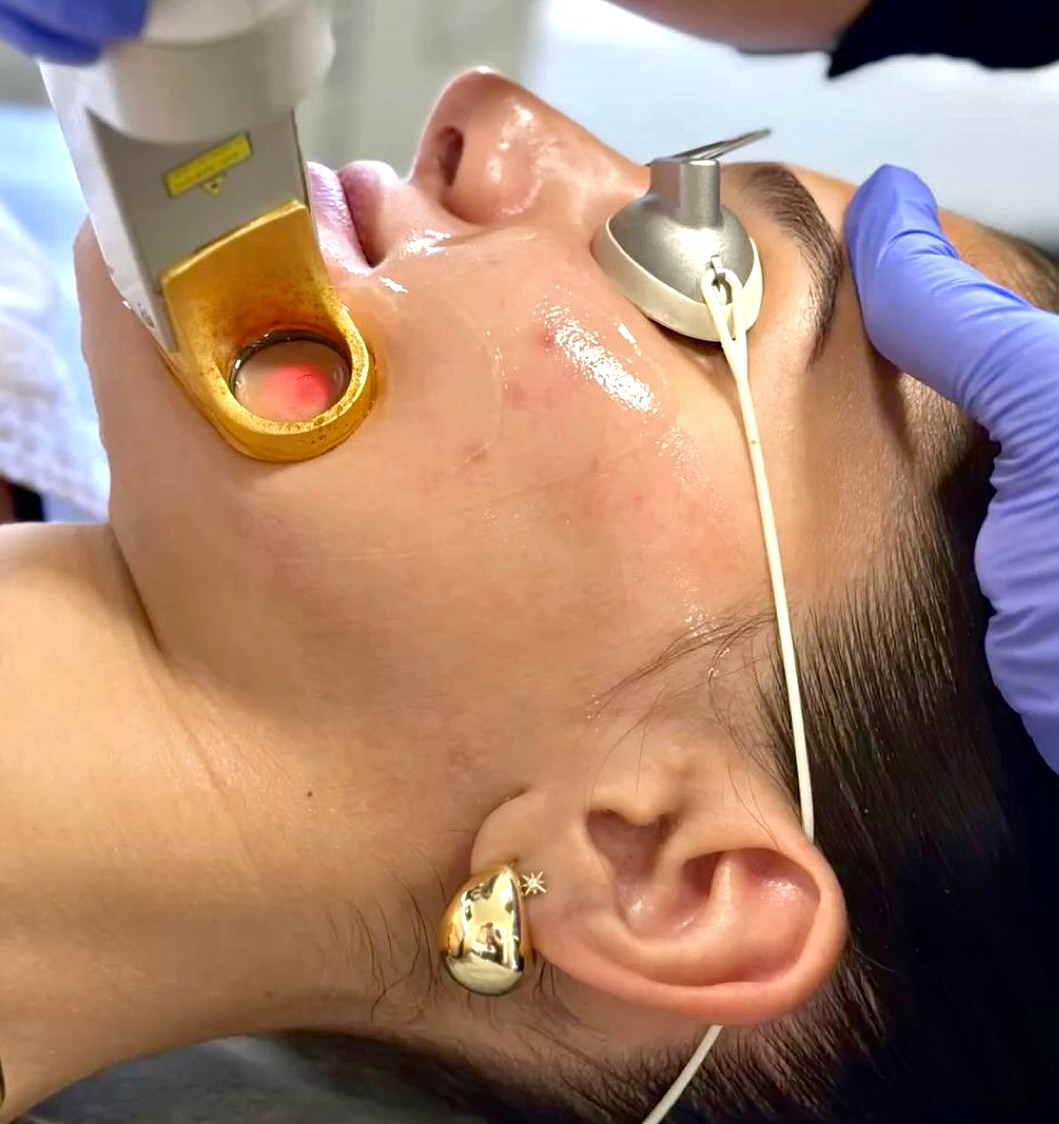
Fractional CO2 laser is an ablative laser technology that uses carbon dioxide laser beams to create controlled thermal injury to the skin. Unlike traditional ablative lasers that remove entire layers of skin, fractional technology creates thousands of microscopic columns of laser energy that penetrate the skin while leaving surrounding tissue intact.
How It Works
The laser targets water in skin cells, vaporizing the superficial layer (epidermis) while heating the deeper dermis. This process stimulates natural collagen production and skin remodeling. The fractional approach means that only a percentage of your skin surface is directly treated, allowing for faster healing compared to traditional full-surface laser resurfacing.
Treatment Applications
Cutting and Removal: The laser can precisely remove skin tags, seborrheic keratoses, cherry angiomas, moles, and benign skin tumors in seconds with minimal damage to surrounding tissue.
Resurfacing and Rejuvenation: For addressing open pores, fine lines, skin tightening, non-surgical blepharoplasty (eyelid lifting), scar reduction, and overall skin glow enhancement.
The Power and Precision Factor
What sets fractional CO2 apart from other treatments is its unprecedented control over multiple parameters:
- Fluence (energy density)
- Depth of penetration
- Surface area coverage
- Energy output
This level of control allows practitioners to deliver precise treatments with minimal risk to surrounding tissue—when performed correctly with properly calibrated equipment.
The Critical Risk Factor: Skin Type and Equipment Quality
Skin Type Considerations
Fractional CO2 laser carries the highest risk for Asian skin types, particularly Fitzpatrick skin types 4, 5, and 6. The risk of these changes is increased in Fitzpatrick skin types III-VI compared with types I-II. For these skin types, the treatment can be extremely risky due to:
- Higher propensity for post-inflammatory hyperpigmentation
- Increased risk of scarring
- Potential for permanent pigmentation changes
Skin Types 1-3: Generally safe candidates for CO2 laser resurfacing when performed by experienced practitioners.
Skin Types 4-6: Require extreme caution, with many practitioners considering this a 90% contraindication, especially for facial treatments.
Equipment Quality: A Non-Negotiable Factor
The quality and calibration of the laser equipment directly impacts safety and results. The most common cause of scarring is postoperative infection, which usually presents several days postoperatively as a localized area of delayed healing. Poorly calibrated machines can lead to:
- Inconsistent energy delivery
- Unexpected hot spots
- Over-treatment of certain areas
- Increased risk of complications
Professional-grade equipment from established manufacturers ensures consistent energy output and proper calibration, significantly reducing complication risks.
Who Is a Good Candidate?
Ideal Candidates
- Fair skin types (Fitzpatrick I-III)
- Realistic expectations about results and recovery
- No active skin conditions or infections
- Ability to follow strict post-treatment care
- Limited sun exposure lifestyle
- No history of keloid scarring
Poor Candidates
- Darker skin types (IV-VI) for facial treatments
- Active melasma or pigmentation issues
- Jobs requiring heat, sun, or friction exposure
- History of poor wound healing
- Inability to avoid sun exposure during recovery
- Active acne or skin infections
Specific Indications and Applications
Facial Applications (High Risk for Skin Types 4-6)
- Acne scarring
- Fine lines and wrinkles
- Skin tightening
- Open pore reduction
- Non-surgical eyelid lifting
- Overall skin resurfacing
Body Applications (Lower Risk)
Body treatments carry significantly less risk, particularly for:
- Surgical scars (including C-section scars)
- Stretch marks
- Trauma or accident scars
- Body skin tightening
- Childhood scar removal
Wrinkles around the eyes, mouth or forehead may be treated individually, or a full-face laserabrasion may be performed.
Understanding the Risks
Primary Risk: Pigmentation Changes
The biggest risk with fractional CO2 laser is post-inflammatory hyperpigmentation (PIH). This occurs when:
- Heat trauma damages melanin-producing cells
- Inadequate post-care leads to inflammation
- Sun exposure occurs during healing
- The patient has predisposing genetic factors
Secondary Risks
The pathologic organisms that may infect the skin include bacteria, fungi, and viruses due to the compromised skin barrier post-treatment.
- Infection
- Scarring
- Prolonged redness (erythema)
- Hypopigmentation (permanent lightening)
- Delayed healing
The Recovery Process: What to Expect
Immediate Post-Treatment (Days 1-7)
- Scab formation over treated areas
- Significant redness and swelling
- Potential discomfort requiring pain management
- Strict wound care protocols
Healing Phase (Weeks 1-2)
After CO2 laser treatment, it usually takes about 1 to 2 weeks for your skin to heal. Your skin will be very sensitive during this time.
During this critical period:
- No sun exposure whatsoever
- No heat exposure
- No chemical treatments or home remedies
- Strict hydration and gentle care protocols
- No makeup or harsh products
Long-Term Recovery (2-6 Months)
The redness generally persists longer in people with blonde or red hair, and complete healing may take several months.
Essential Pre-Treatment Considerations
Medical History Assessment
- Previous laser treatments
- History of herpes or shingles
- Current medications
- Skin sensitivity assessment
- Realistic expectation setting
Lifestyle Factors
- Work environment (heat, sun exposure)
- Available downtime for recovery
- Support system for post-care
- Financial readiness for potential complication treatment
Post-Treatment Care:
The Make-or-Break Factor
Critical First Two Weeks
- Strict sun avoidance
- Gentle cleansing only
- Prescribed topical treatments only
- No rubbing or picking at treated areas
- Adequate hydration maintenance
If Complications Arise
Immediate Action Required: Return to your treating physician immediately. Do not:- Seek advice from non-medical sources
- Try home remedies
- Delay professional treatment
Making the Right Decision
When CO2 Might Be Your Best Option
- Other treatments have failed to address your concerns
- You have fair skin and realistic expectations
- The specific condition warrants this level of intervention
- You can commit to proper aftercare
When to Consider Alternatives
- You have darker skin tones
- You cannot avoid sun/heat exposure
- You have active pigmentation issues
- Budget constraints might compromise follow-up care
Cost Considerations
According to RealSelf, CO2 laser resurfacing costs, on average, about $2,750. However, some of their reviewers report paying as much as $6,100. The cost varies based on:- Treatment area size
- Number of sessions required
- Geographic location
- Practitioner expertise
- Equipment quality
- Pre-treatment consultations
- Post-treatment care products
- Time off work
- Possible complication treatment
The Bottom Line: Choose Wisely
Fractional CO2 laser can deliver unmatched results for the right candidate treated by the right practitioner with the right equipment. However, it’s not a treatment to approach lightly, especially for individuals with darker skin types or those who cannot commit to proper aftercare.
The key to success lies in:
- Honest skin type assessment
- Choosing an experienced practitioner
- Using professional-grade equipment
- Strict adherence to aftercare protocols
- Realistic expectations about results and recovery
Remember: it’s better to achieve modest results safely than to risk permanent skin damage for dramatic improvement. When in doubt, seek multiple professional opinions before proceeding with this powerful but potentially risky treatment.
Always consult with a board-certified dermatologist or plastic surgeon experienced in laser treatments before considering fractional CO2 laser resurfacing. Individual results and risks vary significantly based on skin type, medical history, and treatment parameters.